
How Often Should You Deep Clean Your Home?
Keeping a home tidy day to day is one thing, but deep cleaning is what helps maintain the condition of the property over time. Even homes that are vacuumed regularly can slowly collect hidden dust, grease, limescale, allergens, and grime in areas that are often missed during weekly cleaning routines.
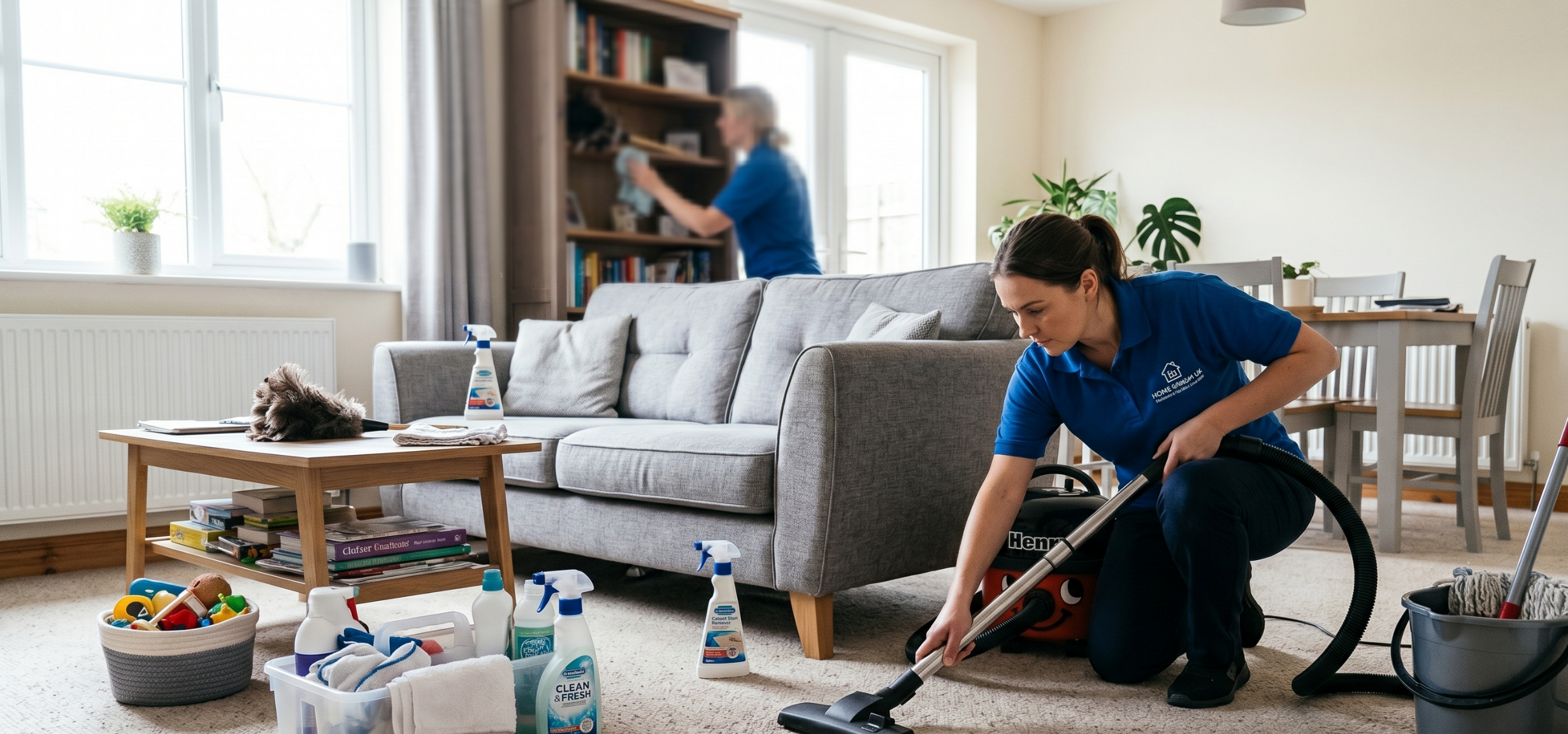
A proper deep clean focuses on the build-up that develops gradually across kitchens, bathrooms, carpets, upholstery, skirting boards, appliances, and hard-to-reach areas. For many households, it becomes necessary long before the home actually “looks dirty”.
So, how often should you deep clean your home in the UK? The answer depends on several factors, including the size of the property, the number of occupants, pets, children, allergies, and daily lifestyle habits.
What Is Considered a Deep Clean?
A deep clean goes beyond standard domestic cleaning tasks. While regular cleaning helps maintain everyday appearance, deep cleaning targets neglected areas and stubborn build-up throughout the home.
A professional deep cleaning service usually includes tasks such as:
- Cleaning behind and underneath furniture
- Removing grease from kitchen surfaces and appliances
- Descaling taps, shower screens, and bathroom fittings
- Detailed skirting board and door frame cleaning
- Dust removal from corners, vents, and high surfaces
- Deep vacuuming of carpets and upholstery
- Cleaning light switches, handles, and frequently touched surfaces
- Removing accumulated dust from difficult-to-reach areas
How Often Should You Deep Clean Your Home?
For most households in the UK, a deep cleaning house service is recommended every 3 to 6 months. However, this depends on how the property is used and how much build-up develops between regular cleaning sessions.
Every 2–3 Months
A more frequent deep clean may be necessary if:
- You have pets that shed hair and odours
- Someone in the home suffers from allergies or asthma
- You have young children
- The property experiences heavy daily use
- You cook frequently and grease builds up quickly
- You live near busy roads where dust enters the property faster
Homes with pets often accumulate hidden hair, dander, and odours in carpets, sofas, rugs, and fabric surfaces, even when cleaned regularly.
Every 4–6 Months
This is usually suitable for smaller households, flats with minimal daily traffic, people who already maintain regular weekly cleaning, and properties occupied for fewer hours during the day.
If regular upkeep is consistent, deep cleaning mainly becomes preventative maintenance rather than recovery cleaning.
Signs Your Home Needs a Deep Clean
Many properties need a deep clean before the occupants realise it. Dirt tends to build gradually, making it less noticeable over time.
Common signs include:
- Dust returning quickly after cleaning
- Grease build-up around kitchen cupboards and extractors
- Bathroom limescale becoming difficult to remove
- Carpets looking dull or flattened in traffic areas
- Persistent pet or cooking odours
- Dust collecting around skirting boards and corners
- Allergy symptoms becoming worse indoors
- Hidden dirt appearing when furniture is moved
A lot of deep-cleaning work focuses on the areas people rarely clean during standard weekly routines.
Why Regular Deep Cleaning Matters
Deep cleaning is not only about appearance. It also helps maintain hygiene, indoor air quality, and the overall condition of surfaces around the property.
Over time, grease, moisture, dust, and residue can slowly damage materials or make cleaning more difficult later on.
Regular deep cleaning helps:
- Reduce indoor dust and allergens
- Improve overall air quality
- Prevent grime build-up in kitchens and bathrooms
- Maintain carpets and upholstered furniture
- Keep hard-to-reach areas under control
- Reduce lingering odours inside the property
- Make regular maintenance cleaning easier
For busy households, deep cleaning often works best alongside scheduled weekly or fortnightly cleaning visits. If you already maintain regular upkeep, combining it with a professional domestic cleaning service in Pinner can help prevent heavy build-up from returning too quickly.
Seasonal Deep Cleaning in the UK
Many homeowners choose to deep clean seasonally rather than waiting until dirt becomes visible.
Spring Deep Cleaning
Spring is one of the most common times for a full property reset after winter. Homes are often closed for longer during colder months, which allows dust, condensation, and indoor residue to build up.
Spring deep cleaning commonly focuses on:
- Windows and frames
- Carpet refreshes
- Dust removal from hidden areas
- Kitchen degreasing
- Bathroom descaling
- Upholstery cleaning
Autumn Deep Cleaning
Autumn cleaning helps prepare the property before more time is spent indoors during winter.
This often includes:
- Dust removal before heating systems are used heavily
- Deep vacuuming carpets and rugs
- Removing summer pollen and allergens
- Cleaning behind furniture and radiators
- Refreshing kitchens and bathrooms before holiday periods
Deep Cleaning vs Regular Domestic Cleaning
A regular domestic cleaning service focuses on maintenance tasks such as vacuuming, mopping, surface wiping, bathroom sanitising, kitchen tidying, and general dusting.
Deep cleaning is more detailed and time-intensive. It targets accumulated grime, neglected areas, and heavier build-up that cannot usually be addressed during shorter maintenance visits.
Many households combine both services together:
- Regular cleaning maintains cleanliness weekly
- One-off deep cleaning resets the property periodically
For properties that need a more intensive refresh, booking a professional one-off cleaning service in Pinner can help tackle built-up dirt, hidden dust, and neglected areas throughout the home.
Can You Deep Clean a Home Yourself?
Yes, but a full deep clean can take considerable time, especially in larger properties.
The biggest challenge is usually not surface cleaning itself, but the detailed work involved:
- Moving furniture
- Cleaning hard-to-reach areas
- Removing kitchen grease properly
- Descaling bathrooms thoroughly
- Deep vacuuming upholstery and carpets
- Managing accumulated dust and residue
Professional cleaners also use commercial-grade equipment, stronger vacuum systems, and specialist products designed for tougher build-up.
Final Thoughts
There is no single answer for how often you should deep clean your home, but for most UK households, every 3 to 6 months is a good starting point.
Homes with pets, children, allergies, or heavy daily use may benefit from more frequent deep cleaning, while regularly maintained properties can often go longer between visits.
The key is treating deep cleaning as preventative maintenance rather than waiting until dirt and build-up become difficult to manage.